
Independent editorial desk for supplements
How we read nutraceutical labels and compare supplements
Most supplement shelves are organized by marketing, not by evidence. NutraReview Hub is an independent editorial resource for U.S. shoppers who want to understand what they are actually buying before they buy it.
Label first, price second, claims last.
Nutrareviewhub.com — Independent — No products sold
Plain language — Sources cited — Gaps flagged
Editorial desk
Three kinds of pages
What this site actually does
NutraReview Hub publishes category comparisons, ingredient research summaries, and label-reading guides. A comparison places broad product types next to each other so you can see how they differ in typical serving format, how much published research exists for the key ingredients, and how transparent the average label is.
An ingredient page summarizes what peer-reviewed literature and regulatory databases say about one compound, including where findings disagree or where human data is thin. A guide teaches a skill, such as spotting a proprietary blend that hides per-ingredient doses. If you want to know why one turmeric capsule lists 95% curcuminoids while another says turmeric root powder, the ingredient and label pages will walk you through it.

The categories we cover
We focus on what a typical U.S. reader actually meets: multivitamins, omega-3 oils, magnesium and other single minerals, B-complex, probiotics, fiber, protein and amino acid powders, herbal extracts such as ashwagandha and turmeric, joint-support blends, and sleep or stress-oriented formulas.
- Multivitamins and B-complex
- Omega-3 oils and minerals
- Probiotics and fiber
- Protein, herbs, sleep formulas
If a category is not listed, suggest it on the Contact page. We will say honestly whether we can research it to our standard.
Why supplement labels confuse people
The U.S. Food and Drug Administration regulates supplements as food, not drugs, which means a product can reach the shelf without the manufacturer proving it works. The Supplement Facts panel is required, but it allows real flexibility.
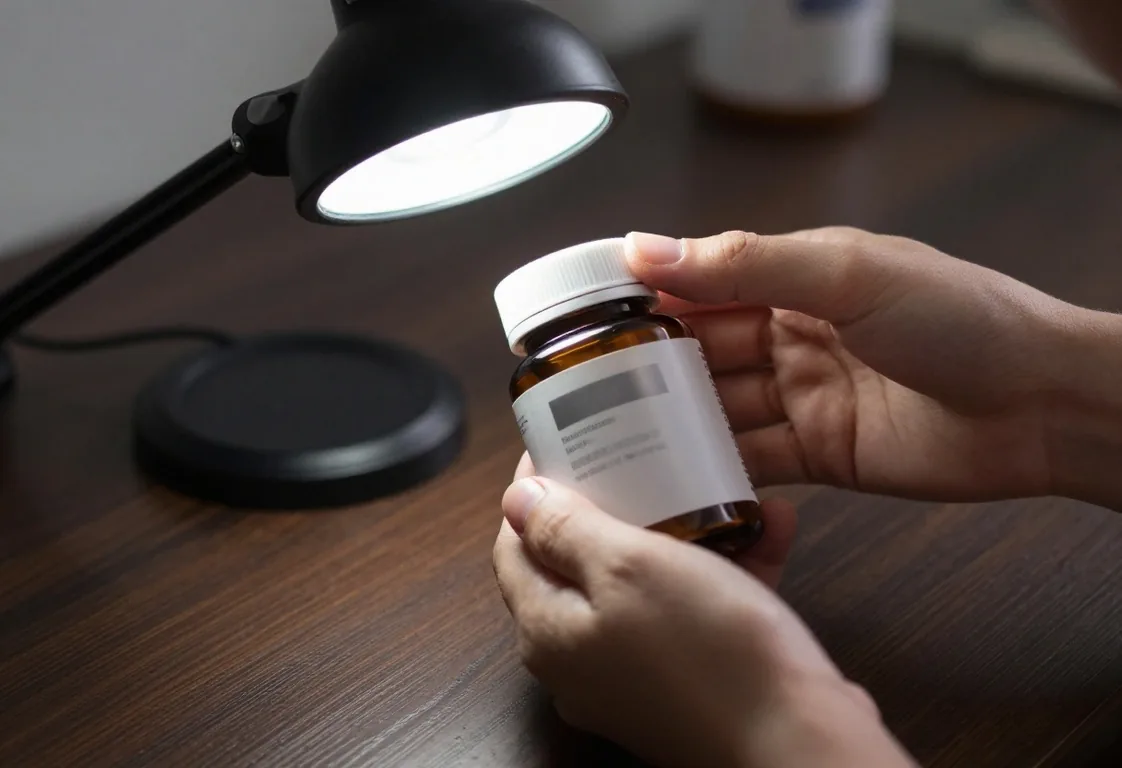
You can legally group ingredients under Proprietary Blend without listing individual amounts. You can label a serving as two capsules when competitors use one. You can name a plant extract three different ways in three different products. None of this is automatically dishonest, and some of it has formulation reasons. But the label alone rarely tells you whether the dose is meaningful. Reading it well takes about ten minutes once you know which lines matter.
Watch for
Blend totals with no per-ingredient amounts.
Watch for
Serving size shifts that hide daily cost.
Watch for
Same plant, three different extract names.
How we build a comparison
Each category page starts with the same five inputs: what the category is intended for, the most common serving formats, the label information a buyer should find, the state of published research, and the questions a label cannot answer.
We group by format rather than brand placement, show trade-offs instead of a single best score, and note where third-party testing data is needed. Our full method lives on the How We Compare page, including how editors handle disagreement.
Reading the label before the price tag
Price per serving is the number most shoppers use, and it is often the least informative. A 30-day bottle and a 7-day bottle can sit side by side at very different shelf prices and still not be comparable until you know the per-serving dose.
That is the sequence we teach: identify the active ingredient, find its amount per serving, count servings per container, then divide. Only then does the price mean anything. Skipping step one is how people compare two products that are not the same product.
- Step 1Find the active ingredient name and its amount per serving.
- Step 2Check serving size and servings per container on the same panel.
- Step 3Divide shelf price by real servings to get daily cost.
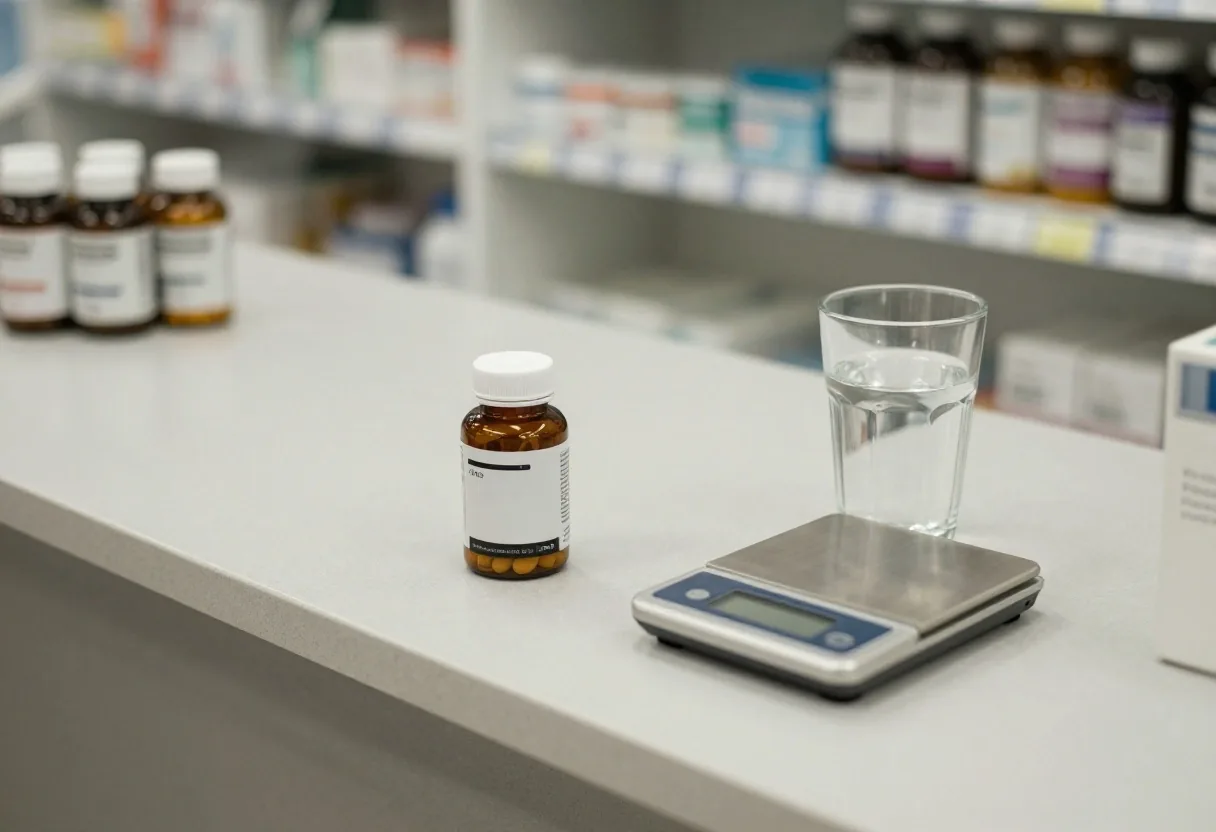
Serving size tells you what one dose really is.
Amount per serving tells you what you pay for.
Servings per container sets the daily cost.
What third-party testing can and cannot confirm
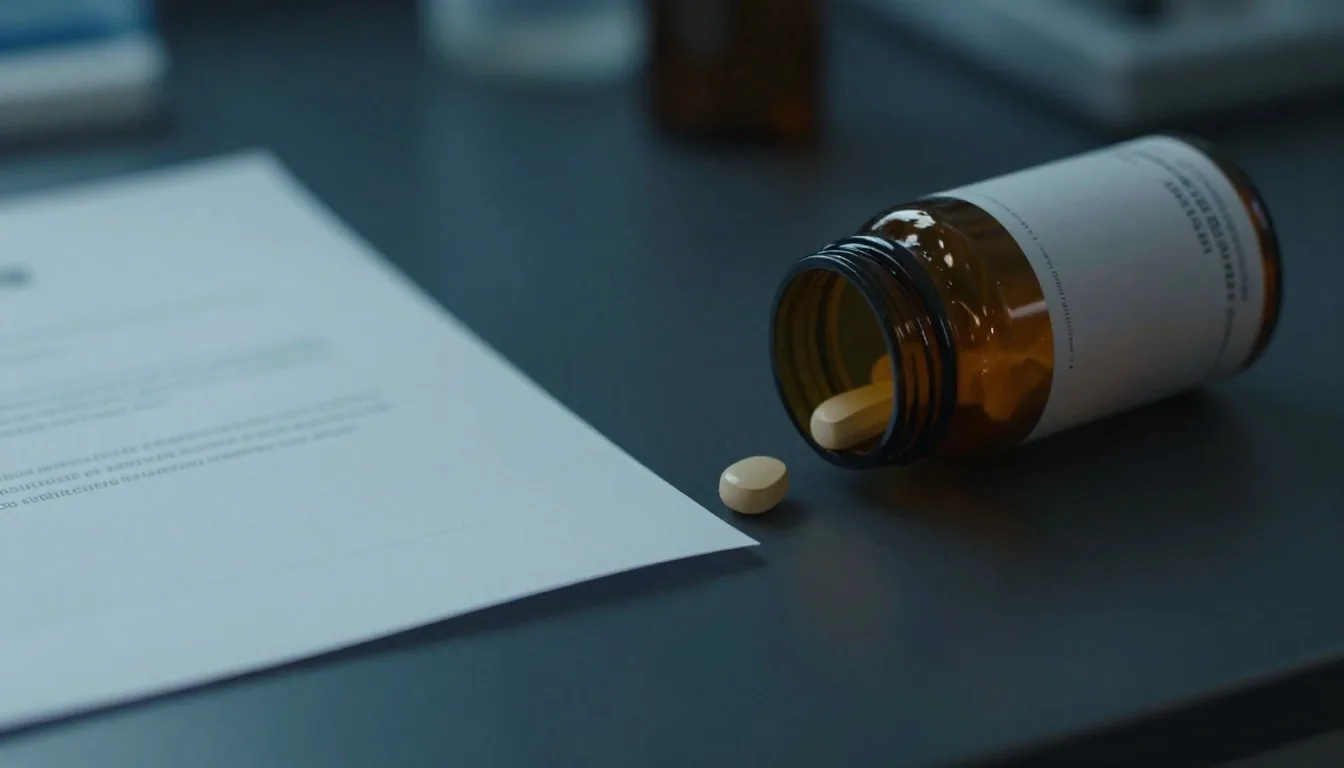
A certificate of analysis from an independent lab can confirm identity, potency within a stated range, and the absence of certain contaminants above a detection threshold. It cannot confirm that a product will do anything for you, and it does not replace FDA review.
Many certificates are narrower than the marketing around them suggests: a single-batch test tells you about that batch. Our testing page explains how to read the scope line, which labs are commonly cited in the U.S. market, and what to do when a brand publishes a certificate with no batch number.
How to read a test certificateWhere research is strong, mixed, or thin
Categories are not equally studied. We label each ingredient page with one research state and explain the reason rather than just stamping it.
Strong
Omega-3 and certain minerals carry decades of human trials, though outcomes still vary by population and dose.
Mixed
Probiotics have a large literature with strong strain specificity, so a result for one strain does not transfer to another.
Thin
Many popular herbal extracts rest on a handful of small trials with inconsistent preparations.
A label that hides its dose is telling you something.
What we refuse to do
We do not publish top-10 lists ranked by commission or use before-and-after narratives and doctor-style framing.
- No language implying a supplement treats or prevents disease.
- No invented certifications, star ratings, or user counts.
- Untraced marketing claims are marked unverified.
We do not recommend a product for a medical condition. That belongs with a clinician who knows your history. See Red Flags and Marketing Claims.

How often pages change
Category comparisons are reviewed when a labeling rule changes, when a major new trial appears, or when reader corrections hold up. Ingredient summaries are dated and rechecked.
When something meaningful moves, it appears in the Corrections and Update Log with date and note. Silent edits do not happen here.
Open the update logA ten-minute reading routine
A practical habit you can use in the aisle or at home.
- Read active name, amount per serving, serving size, then servings per container.
- Note the maker, batch number, and matching certificate.
- Write down the question the label did not answer.
Who this is for
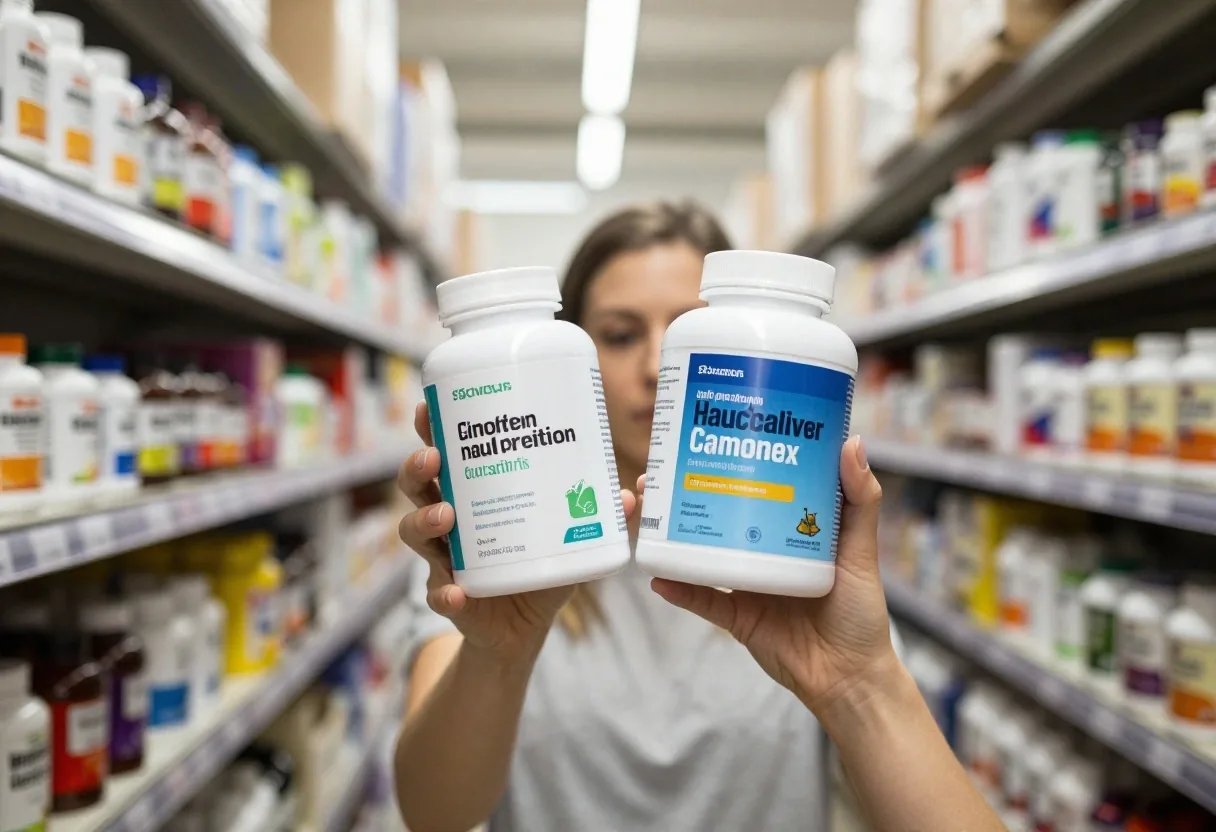
NutraReview Hub is written for adults in the United States who buy supplements at drugstores, warehouse clubs, or online and want to spend their money on purpose. It is useful if you already take something and want to understand it.
It is also useful standing in an aisle trying to tell two nearly identical bottles apart. It is not a clinical resource and does not replace advice from a physician, pharmacist, or dietitian.
Start with the category, not the brand
Pick the category first and the product second. See how magnesium glycinate differs from magnesium oxide in label format and typical dose before you look at brand. Once the category is chosen, the label guide tells you which lines to check. Ten minutes of reading beats another bottle in the cabinet.
Questions readers ask first
Short answers with the same standard as the guides. For longer explanations, use the library, the testing page, and the FAQ archive.
NutraReview Hub, 1420 Madison Avenue, Suite 310, New York, NY 10029. Monday to Friday, 9:00 AM to 6:00 PM EST.
Send a correctionDo you sell supplements or take payment from brands?Open
No. The site does not sell products, and no brand pays for placement in a comparison. If that ever changed, it would be stated on the page where it applied.
Can you tell me which supplement to take for my condition?Open
No. That is a clinical question and belongs with a physician or pharmacist who knows your history and medications. Our pages explain labels and research context but do not give personal advice.
How current is the information?Open
Ingredient pages carry a date and are rechecked against the current literature. Category comparisons are revised when labeling rules change or a meaningful new study appears, and changes are logged in the Corrections and Update Log.
What does third-party tested mean on a label?Open
It means an outside lab analyzed something about the product. The useful questions are who did the test, which batch, and what the certificate actually covers. Our testing page breaks that down line by line.
Read one label properly this week
Pick a bottle you already own. Find the active dose, the serving count, and the batch line. If the numbers do not line up, you just learned more than another purchase would teach.
Nutrareviewhub.com — Editorial — Updated September 2026