NutraReview Hub NutraReview Hub Independent supplement guides
Supplement Facts panel on a bottle photographed flat under cool light

Supplement label guide

How to read a supplement facts panel

The Supplement Facts panel is a legal document with a lot of built-in flexibility. Two products with similar front-label claims can look very different on the back. This guide walks the panel line by line, so you can see in a few minutes whether a label tells you much.

NutraReview Hub · Label reading desk · Updated September 2026

Start with the active ingredient name

The first line in a Supplement Facts entry is the ingredient name, and it is the one most people skip. It matters because the same plant or compound can be listed several different ways. Read the name before the amount, because the name decides what that amount means.

Turmeric root powder, turmeric extract, and curcuminoids describe different preparations with different concentrations. Magnesium oxide and magnesium glycinate are not the same compound and behave differently in formulas. A clear name tells you which ingredient you are actually comparing. A vague name tells you to keep reading.

What to check on the name line

  • Plant part and preparation: root powder reads differently from root extract, and leaf reads differently from whole herb.
  • Salt or chelated form: for minerals, citrate, glycinate, and oxide are distinct inputs, not interchangeable spellings.
  • Trademarked names: a branded name in quotes is a trade name. Look beside it for the underlying ingredient and dose.
Close view of a supplement label edge under raking light
Name first If the name is vague, the milligram number cannot rescue it.
Form matters Same mineral, different salt, different meaning per serving.
Next line Only after the name is clear does the amount become comparable.
Serving math Panel lines 01–02

Serving size and servings per container

Serving size tells you how much of the product must be taken for the amounts on the panel to be true. If the panel says two capsules, a dose of one capsule is half of everything listed.

Servings per container tells you how long the bottle lasts at that serving size. Read together, these two lines let you work out a real price per day. Skipping them is the main reason people think a bottle is a month supply when it is a two-week supply.

Serving size

Check capsules, scoops, or milliliters. All amounts below it belong to that serving only.

Servings per container

Divide bottle count by serving size to see true days of supply before comparing prices.

Daily cost check

A worked example you can reuse in the aisle.

If a bottle holds 60 capsules, the serving is 2 capsules, and the bottle costs what it costs, you have 30 servings. That is the number to divide by — not 60, not one month by default.

Supplement bottles and capsules arranged on a slate bench

Count servings, not capsules. Front labels rarely do that math for you.

Amount per serving and % Daily Value

The amount per serving is the quantity of each ingredient in the stated serving. The % Daily Value is a reference based on a 2,000-calorie diet and is required only for nutrients with an established Daily Value.

Ingredients without a Daily Value, which includes most herbs, show no percentage. That absence is normal. It also means you judge the amount against published research and typical food intake, not against a standard. For vitamins and minerals, the percentage shows whether you look at maintenance level or a high-dose level.

Browse ingredient research
Column What it tells you How to use it
Amount Milligrams or micrograms in one serving. Units matter as much as numbers. Check units
Daily value Reference for nutrients only. High percentages signal a deliberate high-dose formula. Read level
No value A dash for herbs and botanicals. Normal, but you need outside context to judge the dose. Compare care

This page is informational only and does not give dosage advice. If you take medication or manage a condition, talk with a qualified professional before changing anything.

Read name · amount · serving · servings Blends hide individual doses Check elemental weight for minerals Note batch and allergens
Supplement bottles lined up on a ruled bench

A blend lists one total weight for several ingredients. Individual doses stay undisclosed.

Bench view

Proprietary blends and what they hide

A proprietary blend lists a group of ingredients under one name with a single total weight. It is the most common way a label avoids disclosing individual doses.

If a blend totals 500 mg and contains eight ingredients, you cannot know from the label whether one ingredient is 400 mg and the rest are tiny. Blends have a legitimate use during product development. They are also widely used to hide a low dose of a headline ingredient. When you see a blend, treat the individual doses as unknown and proceed accordingly.

How to handle a blend when you compare products

Do not assign the headline ingredient the full blend weight. Compare only fully disclosed labels against each other, and keep blended products in a separate shortlist until the brand shares per-ingredient amounts.

When a blend is less of a concern

Flavor systems, enzyme mixes in tiny weights, and capsule color blends matter less than an 800 mg performance blend where every active is hidden. Weight and position in the formula tell you which case you face.

Other ingredients, extracts, and mineral weight

Three lines that sit below or beside the main panel change how you read the numbers above them. They deserve a slower pass.

Other ingredients and allergens

Below the panel sits the Other Ingredients list: binders, fillers, coatings, and preservatives in small amounts. Read carefully for allergen warnings and contains statements, including facility lines about shared equipment.

If you have a diagnosed allergy, this section is not optional reading.
Hands holding a supplement bottle under bench light

Standardized extracts and percentage claims

A line like standardized to 95% curcuminoids means the extract holds at least that share of the named compound. That is a genuine quality signal when the source is credible.

The catch: a 95% extract at a tiny dose can mean less than a 40% extract at a larger dose. Read percentage and per-serving amount together.

Practical pairing to note: percentage of marker compound plus milligrams of extract per serving. One without the other leaves the dose unclear.

Elemental versus compound weight

For minerals, the panel often shows compound weight, not elemental weight. Magnesium citrate 500 mg includes the citrate portion, so elemental magnesium is a fraction of that number.

When the label states elemental amount, use that figure. When it does not, know the panel number overstates what you actually get.

See how we compare products

Common label red flags

None of these patterns is illegal on its own. Each one is worth pausing on. When three appear on the same label, the product shows where its priorities sit.

Microgram amounts for milligram ingredients

An herb usually discussed in hundreds of milligrams appears as a few micrograms. Technically present, practically minor.

A blend that is the whole formula

Every active sits inside one proprietary total, so no single dose can be judged or compared.

A trademark posed as an ingredient

A registered name stands where a dose should be, with no per-serving amount beside it.

Front claim missing from the panel

The front celebrates an ingredient the Supplement Facts panel never quantifies. Trust the panel.

Check the red flags page

Gummies, tablets, and format constraints

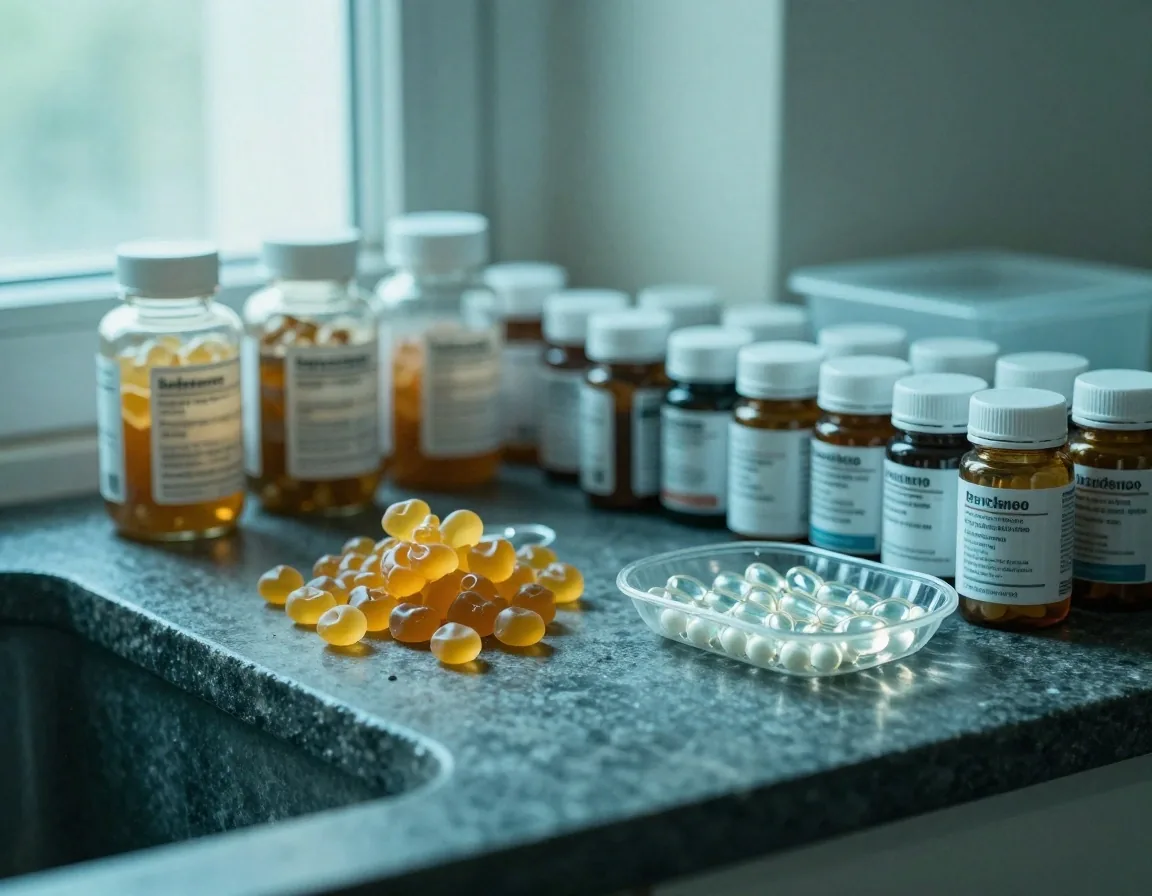
Format limits how much a serving can hold. Gummies often show lower doses than capsules for the same compound. Tablets add binders the body does not absorb. Capsules act closer to containers for powder.

No format is automatically worse. The format should match the dose you want — a gummy that cannot fit a meaningful dose is a different product from a capsule that can.

Gummy bottle and capsules on a dark benchtop

Batch numbers and traceability

A batch or lot number ties the bottle to a production run — the only thing a certificate can verify. No batch number plus a batch-free certificate means the test and the bottle are not linked.

Certificate sheet beside a bottle on slate
Single supplement container on a slate dais

Five minute routine

Keep the bottle, the panel, and a note card on the same surface. Work top to bottom without jumping to the front claims.

Reading a label in five minutes

A quick routine tells you more than every front-of-bottle claim combined. Follow the same order each time so nothing gets skipped.

  1. Ingredient name Confirm form and preparation. Vague names get flagged before numbers are trusted.
  2. Amount + serving Read amount per serving, then serving size and servings per container for true daily cost.
  3. Blends + minerals Mark any blended actives as unknown. For minerals, look for the elemental figure.
  4. Allergens + batch Scan Other Ingredients for what you avoid, then note the batch number for the file.
Sealed guide

Where to go next

Once you can read the panel, the ingredient pages explain what published research says about specific compounds, and the third-party testing guide shows what a certificate can confirm. Category comparisons help when you choose between product types rather than judging one label.

Analyst notebook beside a supplement bottle

NutraReview Hub · 1420 Madison Avenue, Suite 310, New York · September 2026