
Independent supplement desk
Behind the editorial desk at NutraReview Hub
NutraReview Hub is run by a small editorial team, not a marketing department. The people who write the ingredient summaries and label guides are the same people who decide what gets published and what gets cut.
No sales team. No paid rankings. Reader questions set the calendar.
Editorial desk — New York — Updated Sept 2026
Corrections welcome — answers in writing
Now under review
Magnesium label wording pass and third-party certificate check.
The desk
Research first
Who writes the copy
Every page is written by an editor with a documented research process, not assembled from a brand press kit. Writers here come from science communication, pharmacy-adjacent retail work, and food labeling review.
That mix matters because a supplement label is a legal document, a research summary is a literature exercise, and a comparison page is a purchasing decision. Each one needs a different eye. We name which editor owns which page category so readers can follow a topic across the site, and so questions about methods go to the person who did the reading.
The desk surface: label in one hand, source notes in the other. Drafts keep both until publication.
Nutraceutical research team members sign their categories. Anonymous copy does not appear on this site.
The editorial independence policy
This is the part that decides everything else. No brand, distributor, or agency can pay for a review, a ranking, or a mention. We do not run sponsored category pages.
If we ever accept any form of commercial arrangement, it will be disclosed on the page itself in plain text, not buried in a footer. Editorial calendars are set by reader questions, labeling changes, and new research, not by which category is paying the most this quarter. A brand that writes to ask for coverage gets the same answer as any reader: the page appears when the category is worth covering, on our schedule.
- No paid placement in reviews, lists, or guides.
- Any future commercial tie appears in plain words on the same page.
- Coverage follows label changes, research, and reader mail.
Where research ends and marketing starts
No editorial decision passes through anyone whose job is to sell supplements. There is no sales team to pass it to. That separation is written into how drafts are assigned and approved.
Policy held since first publish
Meet the reviews process
Can read a Supplement Facts panel coldPanel
Can tell a trial apart from a press releaseSource
Knows when to stop and refer outLimit
What our editors actually know
We are careful about credentials because this niche is full of invented authority.
No one here claims to be a physician, and no one writes as one. What we do claim is the ability to read a Supplement Facts panel, trace a claim to a source, distinguish a randomized trial from a press release, and explain the difference in plain English.
Where a question requires medical judgment — interactions, dosing for a condition, or whether a product fits a treatment plan — we say so and stop. That limit is a feature of the site, not a gap we are hiding. Supplement review editors do research communication; pharmacists and clinicians do personal care. We keep those lanes separate on every page.
Label literacy
Forms, amounts, servings, and daily values checked against the printed panel.
Literature sense
Human data weighed above animal or cell work, reviews read with methods first.
How a page gets researched and verified
A new ingredient page begins with the same routine: regulatory databases first, then peer-reviewed literature, then current product labels on the market. The routine is slow on purpose.
-
First pass — collect
The assigned editor pulls regulatory entries, published studies, and several live labels. The draft goes down with source notes attached to each paragraph, so a second reader can see where every sentence came from.
-
Second pass — challenge
A second editor reads the draft against those notes and marks anything that overstates the evidence. If a claim cannot survive that pass, it is cut rather than softened with vague wording.
-
Date and file
Then the page gets a date. When someone revisits it, they know exactly what version they are reading, and the corrections log shows what changed since.
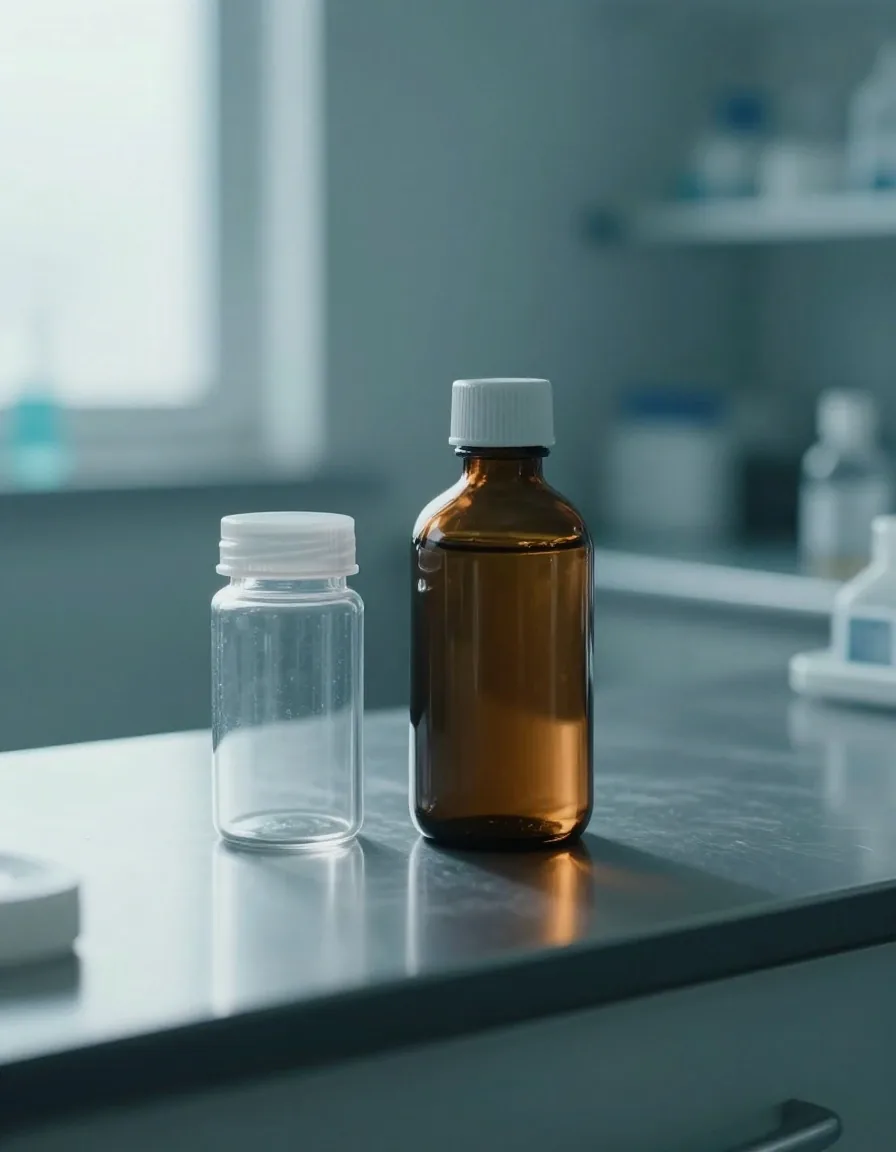
Every comparison starts from the printed panel, not the product page headline.
Practical note: labels change without announcement. If the bottle in your hand differs from our screenshots, write to us and we will re-check that page.
How to read a supplement labelSourcing rules we apply to every claim
Three tiers. A claim from the lowest tier never appears unless we can trace it back to the top two. When the trace fails, the claim is not printed.

Primary sources
Regulatory documents, peer-reviewed studies, and official label text. These carry a page. Dose tables, permitted wording, and Supplement Facts quotes come only from here.
Example uses: what a label actually states, what a study measured, what a regulator permits on pack.
Secondary sources
Review articles and reference databases that cite primary work. Useful for context and for finding the original paper, but never the final word on a dose or effect.
We follow their citations back before anything from them reaches a reader.
Tertiary sources — leads only
News reports and brand materials. Treated as tips about what to check, never as evidence. This is slower, and it is the reason some pages take longer to publish than a competitor's.
No tertiary claim stands alone. Either it traces upward, or it stays out.
What we do not do
Clear limits keep the site honest about what it is: an information desk, not a clinic.
- No personalized supplement advice, coaching, or diagnostic help.
- No in-house lab testing of products we write about.
- No reader stories published as evidence.
- No guest posts that soften a brand's claims.
Corrections and how they are handled
Mistakes happen, and the useful response is a public one. When a reader sends a correction with a source, an editor checks it against our notes.
If the correction holds, the page is updated and the change goes into the Corrections and Update Log with the date. If it does not hold, we reply and explain why. Either way, you get an answer, not silence.
How to send one
Include the page address, the sentence you question, and the source you are pointing to. Label photos help when the issue is a formula change.
Why the site exists
The supplement aisle is not short on information. It is short on information written for the person holding the bottle.
Most brand sites argue for their own product, and most retail listings describe features rather than doses. NutraReview Hub exists to fill the space between those two, which is the space where readers actually make decisions. We would rather publish one careful ingredient page than ten thin ones, and that choice is visible in how the site is laid out — fewer pages, longer notes, dated revisions.
One careful page beats ten thin ones. Categories open only when the reading is done.
Visit or write
1420 Madison Avenue, Suite 310, New York, NY 10029
Monday to Friday, 9:00 AM – 6:00 PM EST · +1 212 555 0147 · info@nutrareviewhub.com
Contact pageHow funding works
The site is funded by the editorial operation itself, which keeps the priority on accuracy rather than page volume. There are no commission-driven recommendations, and no category is favored because it converts better.
If the funding model ever changes in a way that could touch editorial content, the change gets announced on this page with a date, and readers can decide what they think of it. That promise is part of the independence policy, not an afterthought.
Contacting the team
Corrections, category suggestions, and general editorial questions all go through the same contact channel. We read every note, and we reply to ones that need a response, though not always the same week.
If your message is about a product you are taking and how it interacts with a medication, that is a question for your pharmacist. We will tell you so rather than guess. This site offers general information only and does not provide medical advice.
What happens after you write
An editor reads the note, checks it against page notes and sources, and replies when a reply is needed. Corrections with sources move fastest because they can be checked directly.
Desk replies on weekdays — New York time
Read with the same care we write with
Start with how we compare products, then check the log to see what changed and when. Both stay open to every reader.
NutraReview Hub — Editorial desk — Sept 2026