
NutraReview Hub — Supplement Category Comparison
Comparing nutraceutical categories side by side
This page helps you choose a category before you choose a product. Categories differ in how much research exists, what a typical serving looks like, and how much of the label is disclosed. A multivitamin and an ashwagandha extract are not the same kind of purchase.
Pick the category first, then read the label line by line.
Editorial desk — Updated September 2026

Now inspecting
Four checks on every category
Research state, label openness, dose clarity, format fit.
Desk review
What a category comparison can and cannot do
A comparison here places product categories next to each other on the same dimensions: intended use, typical format, dose transparency, and research state. It cannot tell you which product to buy.
That depends on your budget, your tolerance for a specific format, and your clinician's input if you take medication. What it can do is narrow your search from dozens of bottles to one category, so you stop comparing a powder to a capsule and calling it a fair fight.
It can do
Narrow dozens of bottles to one use case, one format, and one label style worth reading closely.
It cannot do
Name a winner for you. Dose needs, medications, and daily routine change the answer.

Start with the job, not the jar.
Daily cover, single-nutrient top-up, oil-based serving, live culture, plant extract, or powder you mix — each one is read differently. Our nutraceutical categories keep that split visible.
- Match the category to what you actually want to do each day.
- Talk with a qualified professional if you take medication.
- Keep this supplement comparison product-informational, not medical advice.
Reading method
Four columns
The four dimensions we score
We use the same four dimensions on every category so an evidence-based supplements check reads the same way whether you hold a multivitamin or a fish-oil softgel.
Research state reflects how much human trial evidence supports the primary ingredients, expressed as strong, mixed, or thin. The other three look only at the label in your hand.

Research state
Strong, mixed, or thin. Sets expectations, never a verdict on one bottle.
FilterLabel transparency
Are individual doses shown, or hidden behind a blend total?
CheckDose clarity
Is a meaningful dose practically reachable in the usual serving?
ReadFormat fit
Does capsule, powder, gummy, softgel, or liquid suit the ingredient?
CompareExample: oils suit fat-soluble compounds, while minerals often read better as a capsule or tablet with a clear per-serving amount.
Multivitamins and single-nutrient products
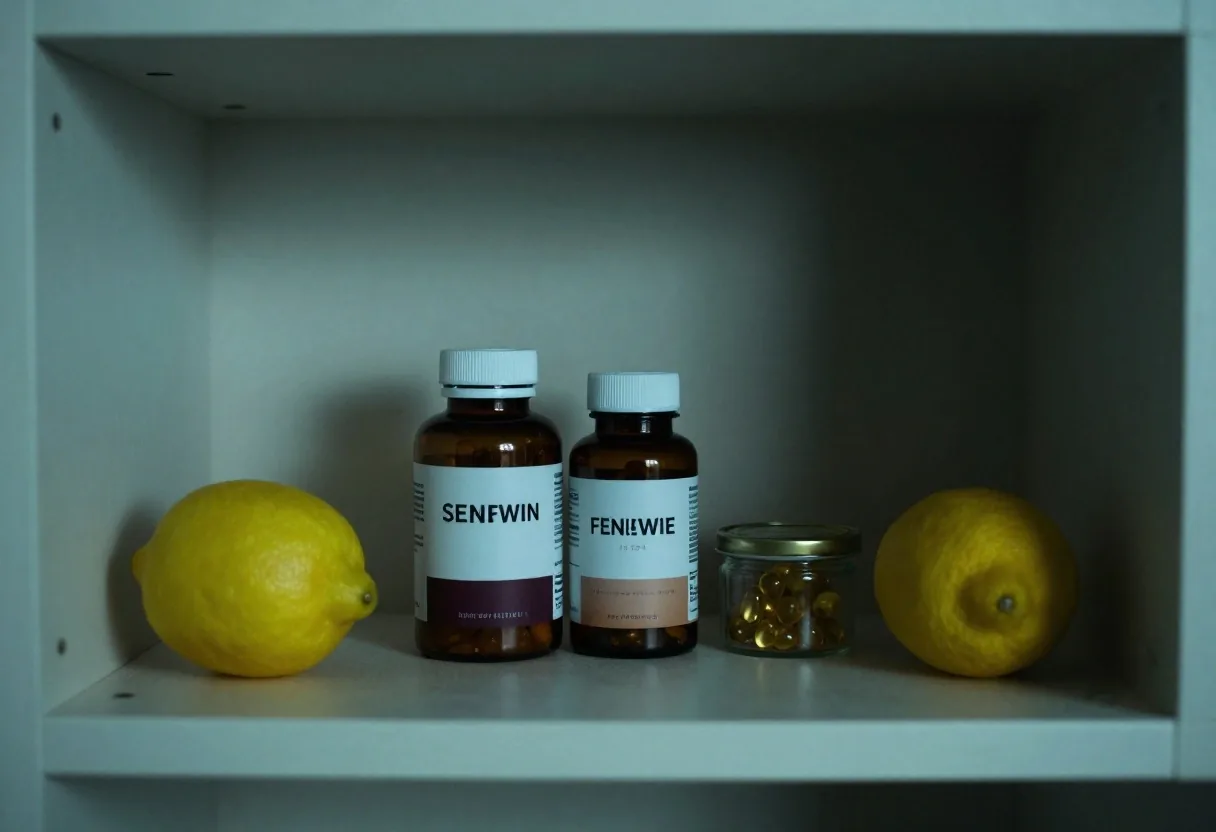
A multivitamin is a low-stakes place to start because it usually aims to cover baseline gaps, not to deliver a large dose of any one nutrient. Single-nutrient products, like magnesium or vitamin D, are the opposite: the value is in the dose, so the label matters much more.
Baseline cover
When you compare the two, note that a multivitamin at a high level is a different product from a multivitamin at daily-value level. The category name is the same. The purchase is not.
With single nutrients, look for the exact compound form and the amount per capsule, then check servings per container before you judge value.

Omega-3 and fatty acid products
Omega-3 products are one of the better-studied categories, but findings still vary by population and dose.
The key label question is how much EPA and DHA you get per serving, not how many milligrams of fish oil the front claims. A 1,000 mg fish-oil capsule and a 1,000 mg combined EPA plus DHA capsule are very different purchases. Always convert to EPA and DHA, then compare.
Probiotics and live culture products
Probiotics are the clearest case of strain specificity. A study result for one strain does not transfer to another, and many products list genus and species without naming the strain.
Label transparency in this category is unusually low, which makes it a good one to compare carefully. Look for CFU count at end of shelf life, strain names, and whether the maker has published stability data. If none of that is present, the comparison is mostly marketing.
- Strain name on the label, not only genus and species.
- CFU stated at expiry, storage conditions that match your shelf.

Herbal extracts and adaptogen-style blends
Herbal categories are popular and thinly studied relative to how confidently they are marketed. The core problem is standardization: two ashwagandha extract products can differ in which compound is standardized and to what percentage.
When you compare this category, ask which part of the plant is used, what the extract is standardized to, and whether the per-serving dose matches anything used in research. That last one is often where the product falls short.
Browse ingredient summaries
Powder serving — check scoop vs serving
Protein, fiber, and amino acid powders
Powders belong in a different mental box because the format affects how you use them. A fiber powder is usually mixed into a drink, and the label often lists a serving that most people do not actually take in one sitting.
Protein powders vary more than the category name suggests, from isolates to blends with added ingredients. Check whether the label reports protein per scoop or per serving, and how the scoop size compares across products.
Sleep, stress, and joint-support blends
These categories are where proprietary blends appear most often. A sleep formula might list six ingredients under one blend line with a single total weight, hiding whether any one dose is meaningful. Ask what could realistically fit inside a blend of that total weight, and whether the ingredients have research support at that level. Often the blend total is too low for any single ingredient to be meaningful.
Scoop check — Compare grams per scoop before price.
Blend math — A 400 mg total cannot hold six full doses.
Sugar note — Some gummies and drink mixes add sweeteners.
A fair comparison starts with the same serving math.
How format changes the comparison
Capsule, tablet, powder, gummy, softgel, liquid. Each format carries its own constraints.
Gummies often use lower doses because the format cannot hold much active ingredient. Tablets sometimes use binders that affect how the product is made but not how it is dosed. Check whether the dose per serving is realistic for the format, then decide.
Where the research is strong, mixed, or thin
Category-level research state is a starting filter, not a verdict.
A strong category like omega-3 can still hold weak products if the dose is too low or the label is vague. A thin category like many herbs can still hold careful products if the maker standardized correctly and dosed openly. Set expectations with research, then check the label.
About third-party checksPrice per serving, compared honestly
Price comparison only works after dose and servings per container are known.
A cheaper bottle that needs two servings to reach your intended dose is not cheaper. Work out price per day at the dose you will actually use, not per capsule. That single step changes the ranking of most shelves and is the step most shoppers skip.
Desk math: bottle price ÷ days it lasts you
Common mistakes in category comparison
Each of these is avoidable with ten minutes of reading. They show up because front labels are built to sell, while back labels carry the facts.
Dose mismatch
Comparing products with wildly different doses and declaring one a better value. Match milligrams first, then talk about price.
Front-label trust
Trusting the front of the bottle for the ingredient amount, which is almost always a total weight rather than an active amount.
Blend confusion
Treating a proprietary blend total as if it were the dose of each ingredient inside it. Read our red-flags notes before you assume.

How to use this page next
Pick the category that matches what you are actually trying to do, read the section for it, then move to the label guide for the lines that matter in that category.
- 1Category first — settle format and transparency.
- 2Label second — read servings, actives, and blends.
- 3Ingredient detail third, where a page exists.
Questions about comparing categories
Short answers on rankings, brands, and what thin research means for everyday shopping. This page is informational only and does not give medical advice.

Why don't you rank products from best to worst?
A single ranking hides the trade-offs that actually matter, like dose, format, and transparency. We show the comparison and let you apply your own priorities.
Do you compare brands?
Category pages compare categories, not brands. Where a specific label illustrates a point, we use it as an example rather than a recommendation.
What does thin research mean for a category?
It means fewer human trials, smaller studies, or inconsistent preparations, so we cannot say much about typical effects with confidence. It does not mean the category is worthless.
Still weighing two categories? Start with format fit and label openness — those two answer most supplement comparison questions faster than research charts.
Choose the category, then read the lines that matter
Supplements are not medicines. If you take medication, are pregnant, or manage a condition, check with a qualified professional before changing anything.
NutraReview Hub — New York — September 2026